On This Page +
- What Is a Certified Arborist?
- What Does an ISA Arborist Do?
- When Should You Hire an Arborist in Buffalo NY?
- Why Buffalo’s Climate Makes Tree Care Important
- How an Arborist Helps You Decide Whether to Remove a Tree
- What Is the Difference Between an Arborist and a Tree Removal Company?
- What to Look for When Searching for a Tree Expert Near Me
- How Much Do Arborist Services Cost in Buffalo?
- How Often Should Your Trees Be Inspected?
- Why Choose Nature Wise Tree Service?
- Protect Your Trees With Professional Arborist Services Buffalo
- Frequently Asked Questions
Trees add beauty, shade, privacy, and value to residential and commercial properties throughout Buffalo, NY. However, keeping trees healthy and structurally sound requires more than occasional trimming. Trees can develop hidden decay, suffer storm damage, experience disease, or develop structural weaknesses that are difficult to identify without professional knowledge.
That is where an arborist can help. If you are searching for an arborist Buffalo NY property owners can consult for professional tree care, understanding an arborist’s responsibilities can help you make informed decisions about your landscape.
Nature Wise Tree Service provides tree care solutions for property owners in Buffalo, NY. Whether you are concerned about a leaning tree, damaged branches, declining tree health, or a tree growing too close to your home, professional evaluation can help you understand the available options.
What Is a Certified Arborist?
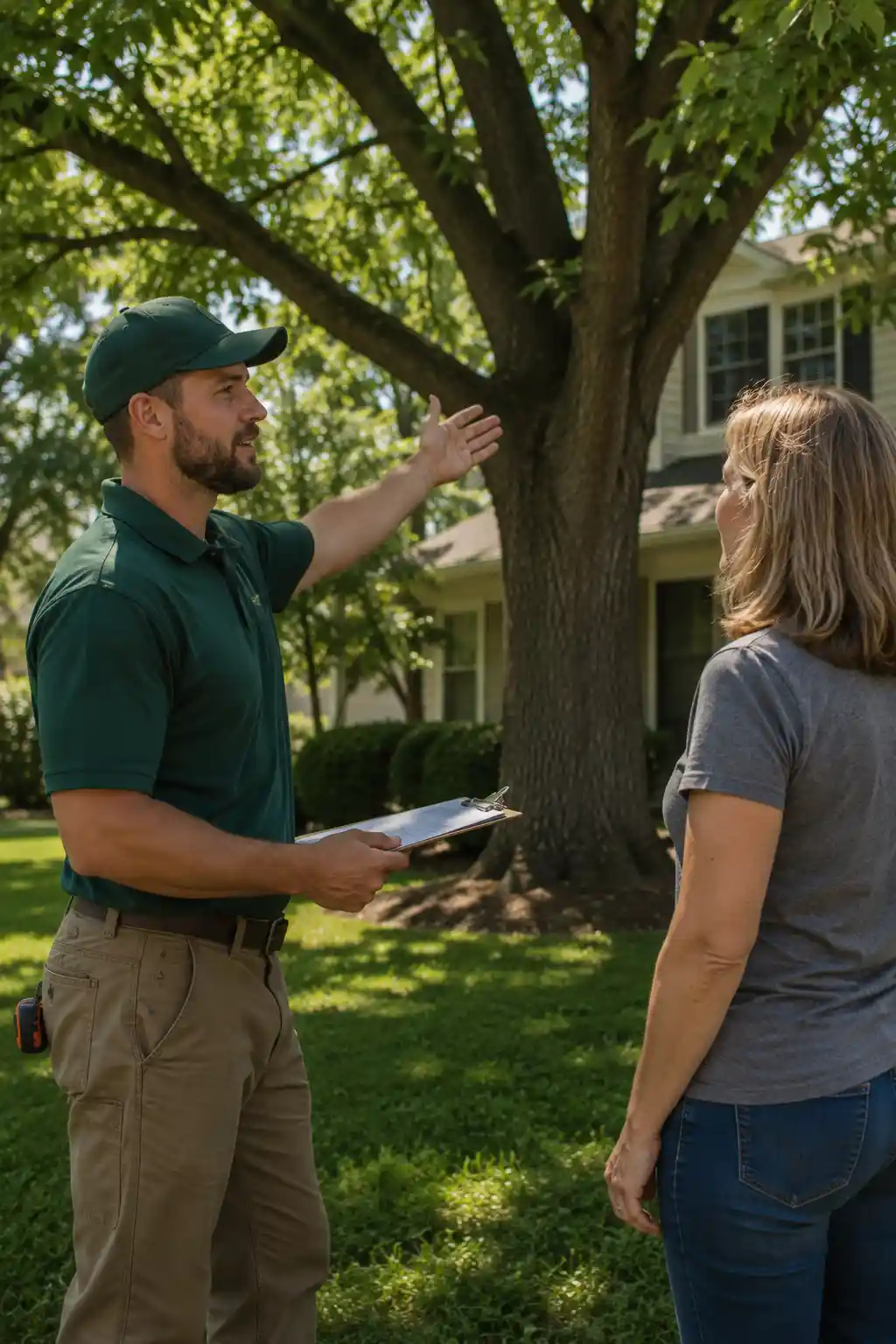
An arborist is a professional who specializes in the care, maintenance, health, and management of trees. Arborists study tree biology, growth patterns, structural development, common diseases, pests, and the environmental conditions that influence tree health.
A certified arborist has earned a professional credential through an arboriculture certification program. For example, the International Society of Arboriculture, commonly known as ISA, offers arborist certification based on eligibility requirements and an examination covering tree care knowledge.
Certification can demonstrate that an individual has met a recognized professional standard. However, certification alone does not guarantee the quality of every service, so property owners should also consider relevant experience, insurance, communication, and the scope of work being offered.
A qualified tree professional can help determine whether a tree needs pruning, further assessment, ongoing monitoring, or removal.
What Does an ISA Arborist Do?
An ISA arborist applies knowledge of tree health, structure, and maintenance to help property owners care for their trees responsibly.
Depending on the professional’s qualifications and the services offered, arborist work may include several important activities.
1. Tree Health Assessments
An arborist evaluates the visible condition of a tree, including its leaves, branches, trunk, roots, and surrounding environment.
Signs such as unusual leaf loss, dead branches, fungal growth, trunk cavities, and damaged roots may indicate an underlying issue. The arborist considers these symptoms alongside the tree species, age, growing conditions, and recent weather.
A visual assessment can identify many concerns, although advanced testing or additional evaluation may be needed when internal decay or other hidden problems are suspected.
2. Tree Pruning Recommendations
Pruning can improve tree structure, remove dead or damaged branches, and provide clearance from buildings, walkways, and other features.
However, incorrect pruning can weaken a tree and create unnecessary wounds. An arborist considers the tree’s condition and growth pattern before recommending which branches should be removed.
Proper pruning focuses on the tree’s long term health and structural development rather than simply reducing its size.
3. Hazard Tree Evaluations
A tree may become hazardous when structural defects, root problems, decay, or damaged branches create a risk to people or property.
An arborist evaluates relevant factors such as trunk condition, branch attachments, root stability, surrounding targets, and visible signs of deterioration.
The assessment can help determine whether pruning, additional evaluation, monitoring, or removal is appropriate.
4. Tree Disease and Pest Identification
Trees can experience problems caused by insects, fungi, bacteria, environmental stress, and unsuitable growing conditions.
An arborist can examine symptoms and help identify likely causes. Recommendations may include adjusting maintenance practices, improving growing conditions, obtaining diagnostic testing, or consulting a specialist when necessary.
Early identification can sometimes prevent a manageable problem from becoming more serious.
When Should You Hire an Arborist in Buffalo NY?
You do not need to wait until a tree becomes dangerous before seeking professional advice. Regular attention can help identify developing concerns while there may still be options for preserving the tree.
Consider contacting an arborist Buffalo NY property owners can rely on when you notice:
- Large dead or hanging branches
- Cracks in the trunk or major limbs
- Unusual leaning or changes in the tree’s position
- Mushrooms or other fungal growth near the trunk
- Sudden leaf discoloration or premature leaf loss
- Exposed, damaged, or disturbed roots
- Branches growing too close to a roof
- Visible storm damage
- Declining growth or repeated dieback
- Trees affected by nearby construction
These signs do not automatically mean a tree must be removed. They indicate that a professional evaluation may be beneficial.
If a tree has fallen onto a building or is threatening to fall, keep people away from the affected area and seek appropriate professional assistance. Never approach a tree or branch in contact with power lines.
Why Buffalo’s Climate Makes Tree Care Important
Buffalo experiences snowy winters, freezing temperatures, strong winds, heavy rain, and seasonal storms. These conditions can affect branches, trunks, roots, and the soil supporting a tree.
Ice accumulation may add weight to branches, while strong winds can expose structural weaknesses. Heavy snowfall can damage vulnerable limbs, and repeated freeze and thaw cycles can influence soil conditions.
Trees growing close to homes, driveways, sidewalks, and parking areas deserve particular attention because falling branches can damage structures or create hazards.
A local tree care professional can consider Buffalo’s seasonal conditions when recommending inspections, pruning, and other maintenance.
Professional evaluation is especially useful after severe weather, when cracks, broken limbs, and root disturbances may not be immediately obvious.
How an Arborist Helps You Decide Whether to Remove a Tree
Tree removal is sometimes necessary, but it should not automatically be the first recommendation whenever a tree develops a problem.
An arborist can evaluate the tree’s condition and determine whether practical alternatives exist.
For example, a healthy tree with several dead branches may benefit from appropriate pruning. A tree with a manageable pest issue may respond to targeted treatment. A tree with serious structural failure, extensive decay, or severe storm damage may require removal.
The decision depends on the tree’s condition, its location, the likelihood of failure, and the potential consequences if it falls.
If removal is recommended, ask the professional to explain the reasons, available alternatives, and any relevant safety concerns.
What Is the Difference Between an Arborist and a Tree Removal Company?
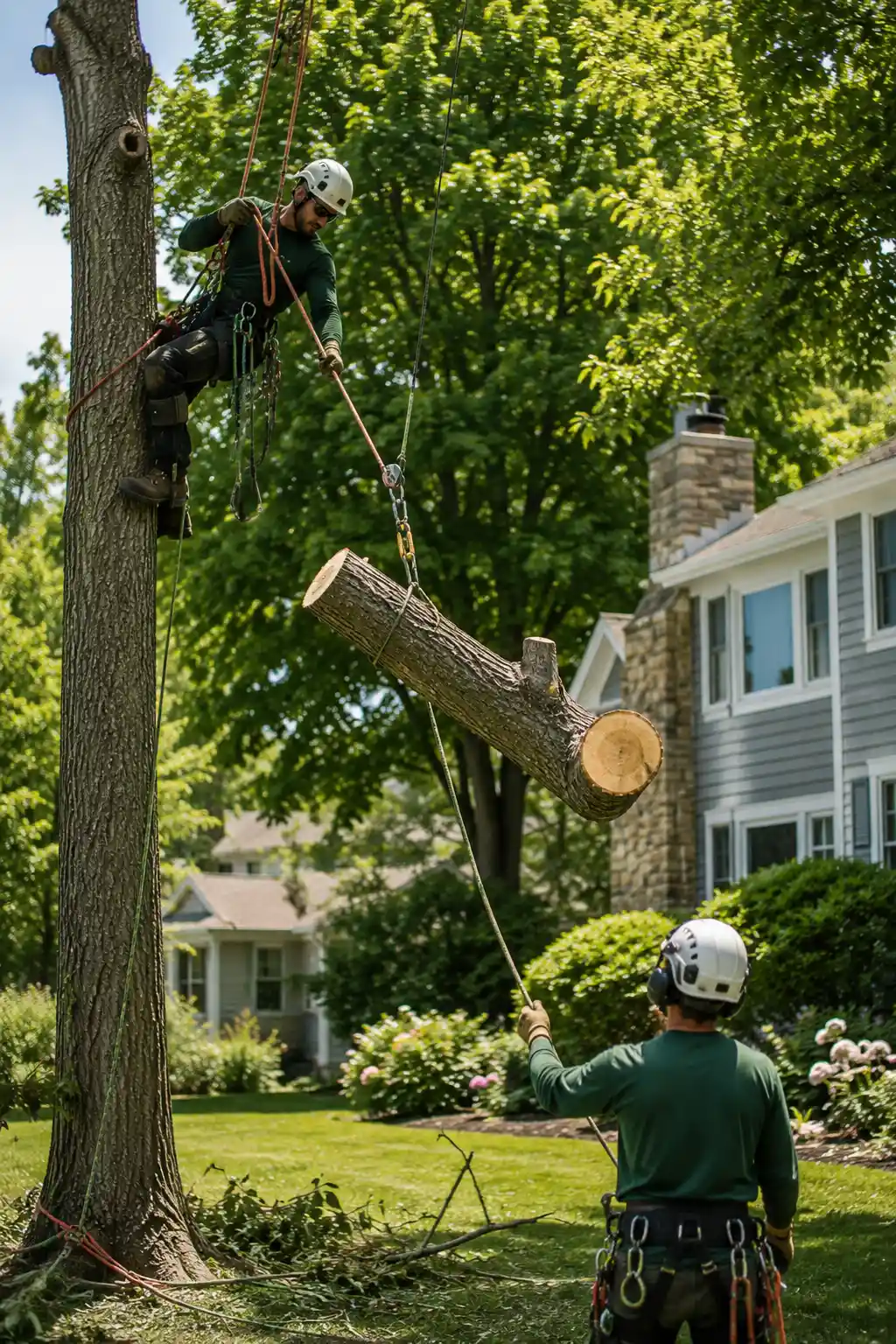
A tree removal company provides services such as cutting down trees, removing branches, clearing debris, and sometimes grinding stumps. An arborist focuses on tree biology, health, structure, and appropriate care.
These roles can overlap. Some tree service companies employ certified arborists or have qualified professionals involved in evaluating tree conditions and planning work.
When comparing providers, ask who will assess your tree, what qualifications that person holds, and whether the recommended work is based on the tree’s actual condition.
If you need a professional evaluation rather than removal alone, finding a qualified tree care specialist can help you understand your options before committing to major work.
What to Look for When Searching for a Tree Expert Near Me
Searching for a tree expert near me can produce a range of local tree care providers. Choosing the right professional requires looking beyond search rankings or the lowest quote.
Consider the following factors before hiring someone.
Relevant qualifications: Ask whether the individual evaluating your tree holds ISA certification or another applicable professional credential. If certification is claimed, verify it through the issuing organization.
Experience: Ask about experience with your tree species, the specific problem, and similar properties.
Insurance: Confirm appropriate liability insurance and workers’ compensation coverage where applicable.
Clear recommendations: A professional should explain the issue, the recommended work, and whether alternatives are available.
Written estimates: For substantial projects, request a written estimate describing the work, cleanup, and any exclusions.
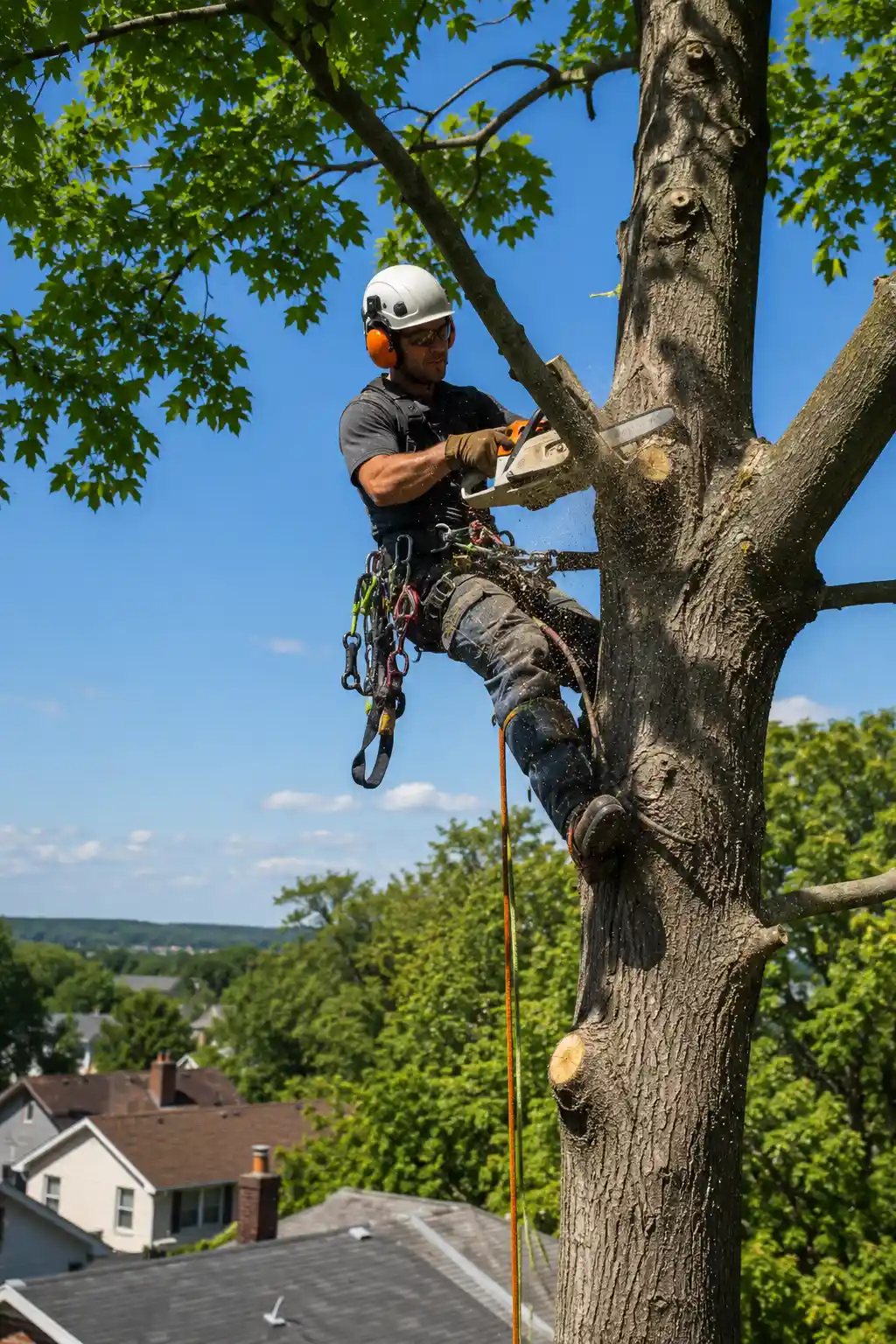
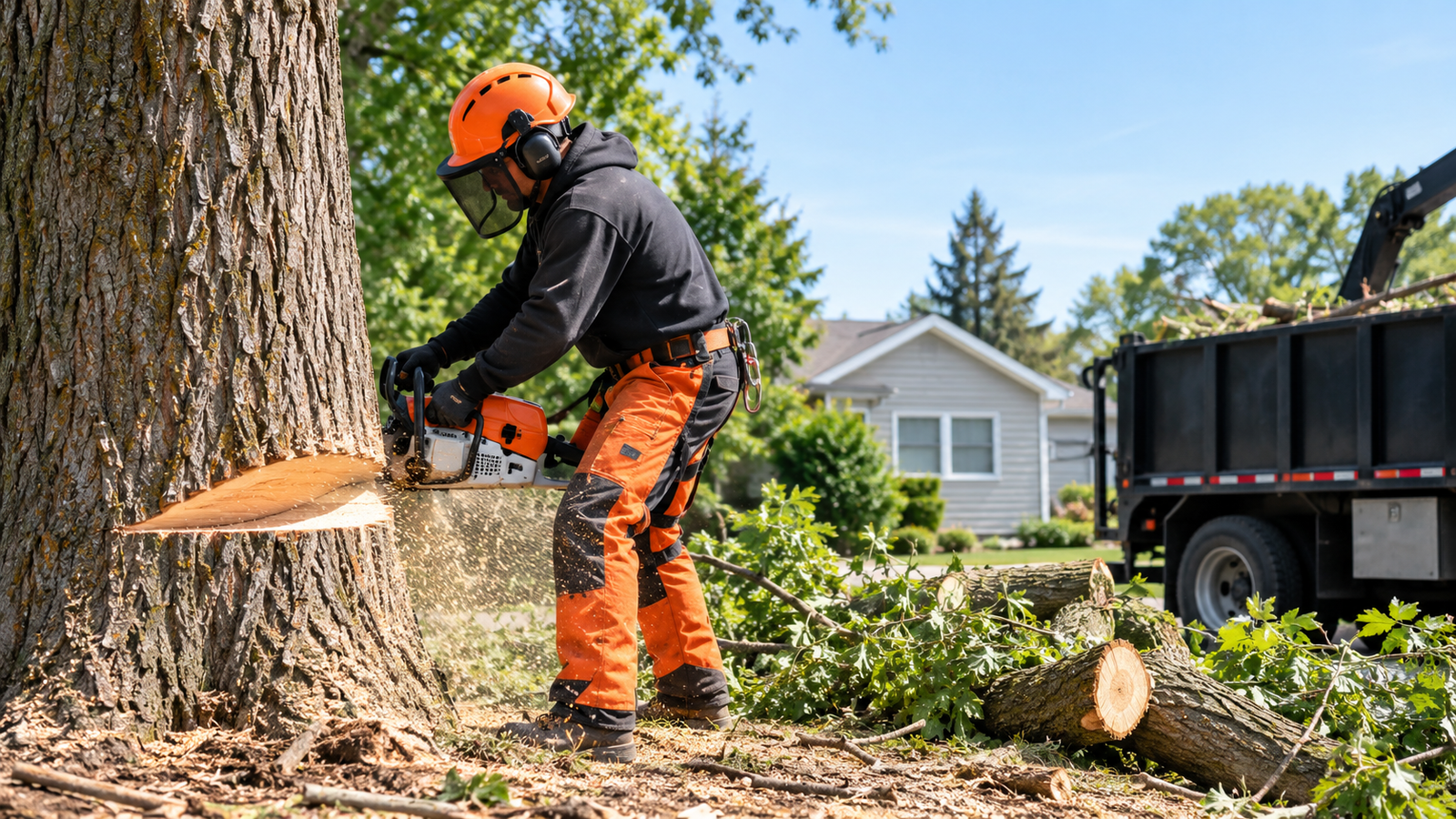
Safety practices: Tree work can involve chainsaws, heavy equipment, climbing, and falling branches. Appropriate safety procedures are essential.
These checks can help you choose a provider whose recommendations suit your property’s needs.
How Much Do Arborist Services Cost in Buffalo?
The cost of arborist services varies depending on the type of assessment or work required. A consultation to discuss a tree’s condition may cost less than a detailed risk assessment, specialized diagnostic work, or a project involving extensive pruning or removal.
Factors that can influence pricing include:
- The size and species of the tree
- The complexity of the concern
- Accessibility of the property
- The need for specialized equipment
- Whether additional testing is required
- The amount of pruning or other work involved
- Cleanup and debris removal requirements
Ask whether an assessment fee is separate from the cost of performing recommended work. If a tree requires further testing or a written report, confirm those costs before proceeding.
A clear estimate helps you understand what you are paying for and makes it easier to compare professional recommendations.
How Often Should Your Trees Be Inspected?
Inspection frequency depends on the tree’s age, condition, location, and exposure to environmental stress.
Young trees may need guidance on proper structure and development. Mature trees may benefit from periodic assessments, particularly when they grow near buildings, public walkways, parking areas, or other frequently used spaces.
Trees with known defects, previous storm damage, or signs of decline may require more frequent monitoring.
There is no single inspection schedule that is appropriate for every tree. An arborist can recommend a suitable approach based on the tree’s condition and the potential consequences of failure.
Homeowners should also pay attention to changes between professional visits, particularly after severe weather or nearby construction.
Why Choose Nature Wise Tree Service?
Nature Wise Tree Service serves property owners in Buffalo, NY, with professional tree care solutions designed around the needs of each property.
Whether you are concerned about declining tree health, damaged branches, structural issues, or whether a tree should be removed, seeking professional advice can help you understand the next steps.
When evaluating any tree care provider, ask about qualifications, experience, insurance, recommended services, and the reasoning behind the proposed work.
A responsible approach considers the tree’s health, the surrounding landscape, and the safety of people and property. Whenever practical, the goal should be to preserve healthy trees while addressing genuine hazards appropriately.
Protect Your Trees With Professional Arborist Services Buffalo
Trees are valuable landscape features, but they need appropriate care as they grow and mature. Recognizing warning signs, arranging inspections when necessary, and addressing problems early can help property owners make better decisions about tree maintenance.
If you are searching for arborist services Buffalo property owners can consider, Nature Wise Tree Service can help you explore your tree care needs in Buffalo, NY.
From concerns about dead branches and storm damage to questions about pruning, tree health, and removal, a professional evaluation can provide a clearer understanding of the options available.
Do not ignore significant cracks, hanging branches, or sudden changes in a tree’s stability. Contact a qualified tree care professional to discuss your concerns and determine an appropriate course of action.
Frequently Asked Questions
What does an arborist do in Buffalo, NY?
An arborist evaluates tree health, structure, and growing conditions. Depending on their qualifications and services, they may recommend pruning, disease management, hazard assessment, ongoing monitoring, or tree removal when necessary.
What is an ISA arborist?
An ISA arborist is a professional who holds an applicable arboriculture credential from the International Society of Arboriculture. ISA Certified Arborists meet established eligibility requirements and pass an examination covering tree care knowledge.
When should I hire a certified arborist in Buffalo?
Consider hiring a certified arborist when you notice dead branches, trunk cracks, unusual leaning, visible decay, storm damage, or declining tree health. Professional evaluation can help determine the appropriate next step.
Can an arborist tell me if my tree needs to be removed?
An arborist can evaluate the tree’s condition, structural defects, and surrounding risks to recommend whether pruning, monitoring, further assessment, or removal is appropriate. Some problems can be managed without removing the tree.
How much do arborist services cost in Buffalo, NY?
Costs depend on the type of assessment, tree size, accessibility, equipment requirements, and whether specialized testing or additional work is needed. Request a written estimate that explains the services included.
How do I find a reliable local arborist in Buffalo, NY?
Look for relevant qualifications, experience, insurance, clear communication, and detailed estimates. If a professional claims ISA certification, verify the credential through the International Society of Arboriculture.
Can an arborist help with storm damaged trees?
Yes. An arborist can evaluate visible storm damage, assess potential structural concerns, and recommend appropriate action. Stay away from hanging branches and trees near power lines, and contact the appropriate emergency or utility service when necessary.
How often should I have my trees inspected?
Inspection frequency depends on the tree’s species, age, condition, location, and exposure to potential hazards. An arborist can recommend an appropriate schedule and advise when additional evaluation is needed.