On This Page +
- Why Year Round Tree Care Matters in Buffalo
- Spring Tree Care: Inspect, Repair, and Prepare
- Summer Tree Care: Protect Trees From Heat and Drought
- Autumn Tree Care: Prepare for Winter Weather
- Winter Tree Care: Monitor Snow, Ice, and Safety Risks
- Common Tree Health Problems Buffalo Property Owners Should Recognize
- When Is Tree Removal Necessary?
- Choosing a Tree Removal Service Buffalo NY Property Owners Can Trust
- Why Choose Nature Wise Tree Service?
- Build a Year Round Tree Care Plan for Your Buffalo Property
- Frequently Asked Questions
Trees are an important part of residential and commercial properties throughout Buffalo, NY. They provide shade, improve curb appeal, support local wildlife, and make outdoor spaces more attractive. However, Buffalo’s changing seasons bring different challenges for trees, from winter snow and ice to spring growth, summer heat, and autumn storms. Understanding these seasonal changes can help property owners maintain healthier trees and identify potential problems before they become serious.
Professional tree care Buffalo NY property owners can rely on involves more than occasional pruning or removing damaged branches. It includes regular inspections, appropriate watering, soil care, structural maintenance, disease monitoring, and timely action when a tree becomes hazardous.
Nature Wise Tree Service helps Buffalo property owners understand their tree care needs and make informed decisions about maintaining their landscapes. With a practical year round maintenance plan, you can support healthy growth, improve tree structure, and address potential safety concerns throughout the year.
Why Year Round Tree Care Matters in Buffalo
Buffalo experiences cold winters, snowfall, ice accumulation, spring rainfall, summer heat, and seasonal storms. These changing conditions can affect tree roots, branches, trunks, and foliage in different ways.
For example, heavy snow and ice can increase the weight on branches, while summer drought can stress trees that do not receive sufficient moisture. Spring and autumn are also useful times to inspect trees for structural problems, damaged limbs, and signs of disease.
Consistent tree maintenance Buffalo property owners schedule throughout the year can help them:
- Identify damaged or declining branches.
- Monitor signs of insects and tree diseases.
- Maintain appropriate clearance around buildings and walkways.
- Support healthy growth through suitable pruning.
- Recognize storm damage before it worsens.
- Reduce avoidable risks from unstable limbs.
- Protect the appearance and long term value of their landscapes.
The right maintenance schedule depends on tree species, age, health, location, and growing conditions. A young ornamental tree may need different attention from a mature maple or oak.
Spring Tree Care: Inspect, Repair, and Prepare
Spring is an important time to assess how trees have handled winter. As temperatures rise and new growth begins, property owners can identify damage that may have occurred during snowstorms, ice accumulation, and freezing conditions.
Inspect Trees for Winter Damage
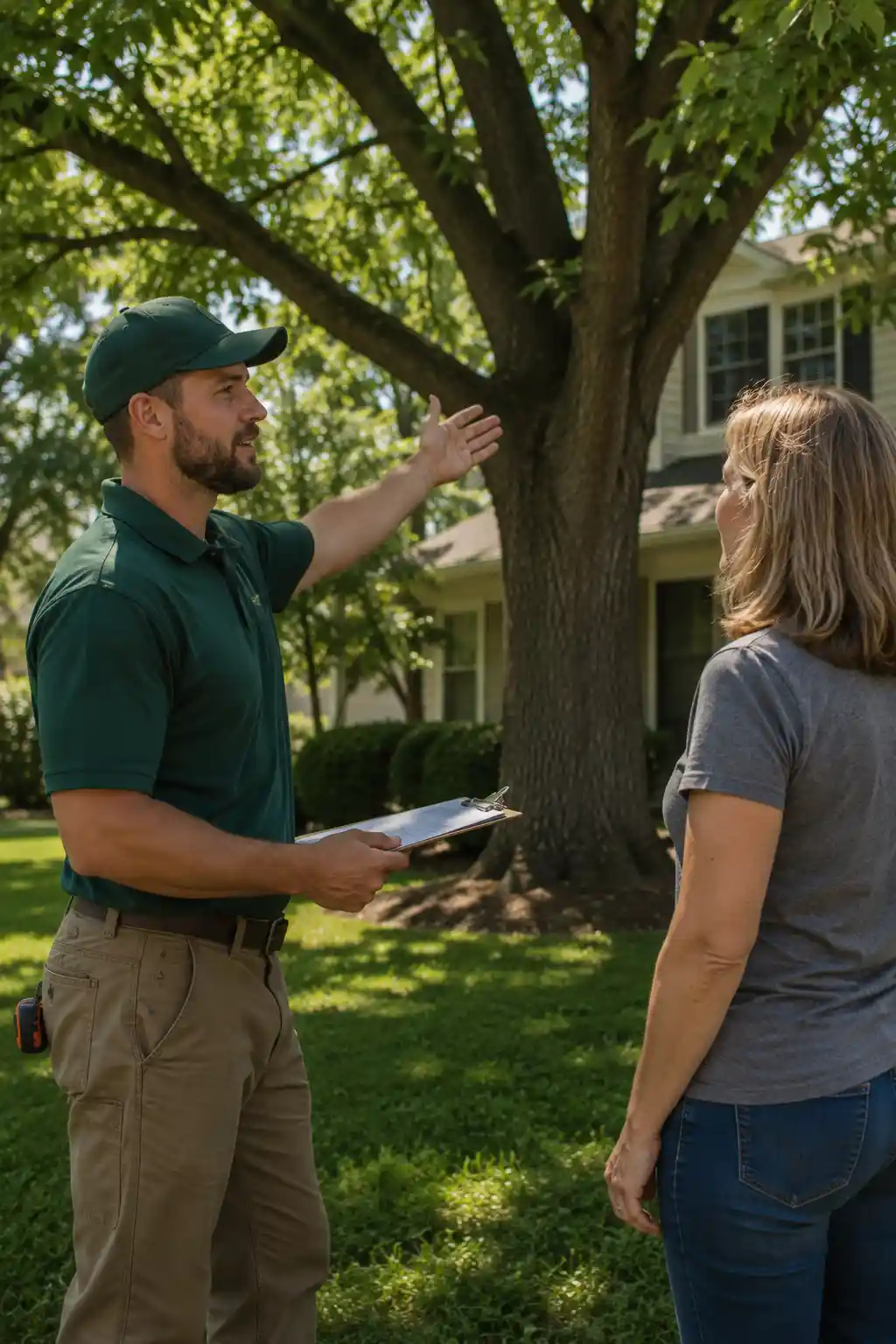
Begin by examining trees from the ground. Look for broken branches, split limbs, damaged bark, leaning trunks, and branches hanging over driveways or walkways.
Pay attention to changes that were not present before winter. A tree that suddenly leans or has significant trunk damage may need prompt professional evaluation.
Avoid climbing damaged trees or attempting to remove large hanging branches yourself. These branches can shift unexpectedly and cause serious injuries.
Check Soil and Root Conditions
Spring rainfall can leave some areas excessively wet. Compacted soil, standing water, and changes in ground level can affect root health.
Avoid piling additional soil against tree trunks or operating heavy equipment over sensitive root zones. Where drainage problems persist, consider getting professional advice about improving site conditions.
Plan Appropriate Pruning
Spring can be suitable for certain pruning tasks, but timing depends on the tree species, flowering habits, health, and purpose of the work.
Remove small dead branches only when they can be reached safely from the ground. Large branches, overhead limbs, and structural pruning should be evaluated by an experienced tree care professional.
Some trees are best pruned during dormancy, while others may benefit from pruning at different times. A species specific approach helps avoid unnecessary stress.
Summer Tree Care: Protect Trees From Heat and Drought
Summer brings active growth, warmer temperatures, and periods when trees may experience moisture stress. Even established trees can struggle during extended dry weather, especially when growing in restricted planting areas or near paved surfaces.
Water Trees When Conditions Require It
Newly planted trees generally require more consistent attention than established trees because their root systems are still developing.
During dry periods, water the root zone slowly and thoroughly rather than applying frequent, shallow amounts. The amount and frequency depend on soil type, rainfall, tree age, and local conditions.
Avoid keeping the soil continuously saturated. Excess moisture can also damage roots, particularly in poorly drained areas.
Protect the Root Zone
Tree roots extend beyond the visible trunk base, and many important absorbing roots are relatively close to the soil surface.
Avoid parking vehicles, storing heavy materials, or repeatedly compacting soil beneath tree canopies. These activities can reduce the soil’s ability to provide air and water to roots.
A suitable organic mulch layer can help conserve moisture and moderate soil temperature. Keep mulch away from direct contact with the trunk to prevent moisture related bark problems.
Monitor Foliage and Branches
During summer, inspect leaves and branches for unusual discoloration, premature leaf loss, dead tips, and signs of insect activity.
These symptoms do not always indicate disease. They can also result from drought, root damage, soil conditions, or other environmental stress.
Professional tree health care can help identify possible causes and determine whether monitoring, cultural changes, pruning, or other treatment is appropriate.
Autumn Tree Care: Prepare for Winter Weather
Autumn provides an opportunity to prepare trees for the coming winter. As leaves begin to fall, structural features become easier to observe on many deciduous trees.
Identify Weak and Damaged Branches
Look for dead limbs, cracks, crossing branches, and branches growing too close to roofs, buildings, or utility infrastructure.
Removing certain hazardous branches before winter may reduce potential problems during snow and ice events. However, pruning should be based on the tree’s condition and species rather than performed simply because winter is approaching.
Check Trees Near Structures
Branches extending over roofs, garages, parking areas, and walkways may need professional evaluation.
Do not automatically remove every branch near a building. The goal is to identify genuine clearance or structural concerns and choose appropriate pruning methods.
Support Soil Moisture Before Freezing
If autumn is unusually dry, trees may benefit from appropriate watering before the ground freezes. This is particularly relevant for recently planted trees and those growing in exposed or restricted soil areas.
Avoid excessive watering where rainfall has already saturated the soil.
Plan Seasonal Maintenance Early
Autumn can be a practical time to schedule an inspection and discuss any work that may need attention before winter. Planning ahead can make it easier to address maintenance needs before severe weather arrives.
Winter Tree Care: Monitor Snow, Ice, and Safety Risks
Winter can be challenging for Buffalo trees because snow and ice may accumulate on branches, while freezing temperatures limit certain maintenance activities.
Although many trees are dormant during this season, monitoring remains important.
Watch for Snow and Ice Damage
Heavy snow and ice can bend branches, split limbs, and expose existing structural weaknesses.
After a storm, inspect trees from a safe location. Look for hanging branches, newly developed cracks, split trunks, and sudden changes in a tree’s position.
Never stand beneath damaged limbs to examine them closely. A branch that appears stable may fall without warning.
Avoid DIY Work on Hazardous Trees
Winter conditions can make tree work more dangerous because of slippery ground, poor visibility, and unpredictable branch movement.
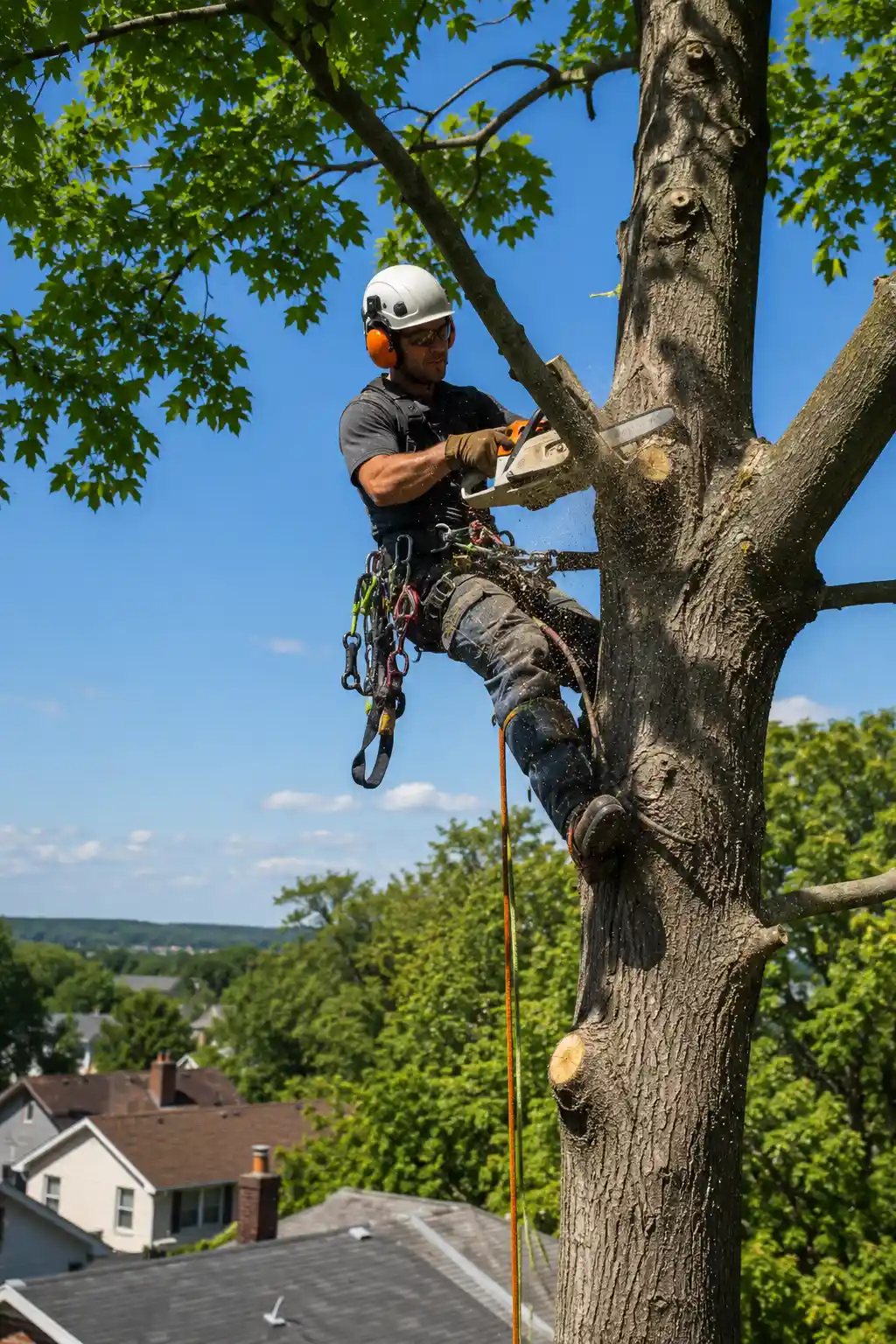
Do not attempt to climb a damaged tree or use a chainsaw on large overhead limbs. If a tree has fallen onto a structure or appears unstable, contact a qualified tree care professional.
Trees near electrical lines should be left to appropriately qualified professionals working with the utility provider when necessary.
Protect Young Trees
Newly planted and young trees may need additional attention during their establishment period. Depending on the species and site conditions, suitable protection can help reduce damage from animals, equipment, or other environmental factors.
Avoid wrapping trunks with unsuitable materials or leaving protective products in place longer than recommended.
Common Tree Health Problems Buffalo Property Owners Should Recognize
Seasonal inspections are useful because tree problems often develop gradually. Recognizing changes early can help property owners determine when professional assessment is appropriate.
Common warning signs include:
- Dead branches or thinning foliage.
- Unusual leaf discoloration.
- Cracks or cavities in the trunk.
- Fungal growth on the trunk or near roots.
- Peeling or damaged bark.
- Sudden leaning or exposed roots.
- Premature leaf drop.
- Insect activity or visible boring holes.
These signs can have multiple causes, so they should not be treated as definitive diagnoses. For example, fungal growth may indicate decay, but the level of risk depends on the tree and the location of the growth.
A professional assessment can help distinguish manageable issues from conditions that may affect structural stability.
When Is Tree Removal Necessary?
Tree preservation is often desirable, but removal may be appropriate when a tree is dead, severely damaged, structurally unstable, or creating an unacceptable safety risk.
Trees with extensive decay, major trunk splits, severe root damage, or significant storm injuries may require closer evaluation. In some situations, pruning or other care can address the concern. In others, removal may be the more appropriate option.
Professional tree removal Buffalo NY services can assess the condition of a tree and explain possible next steps.
Removal decisions should consider the tree’s condition, location, potential targets, surrounding structures, and available management options. A tree should not be removed solely because it is old or has a minor cosmetic problem.
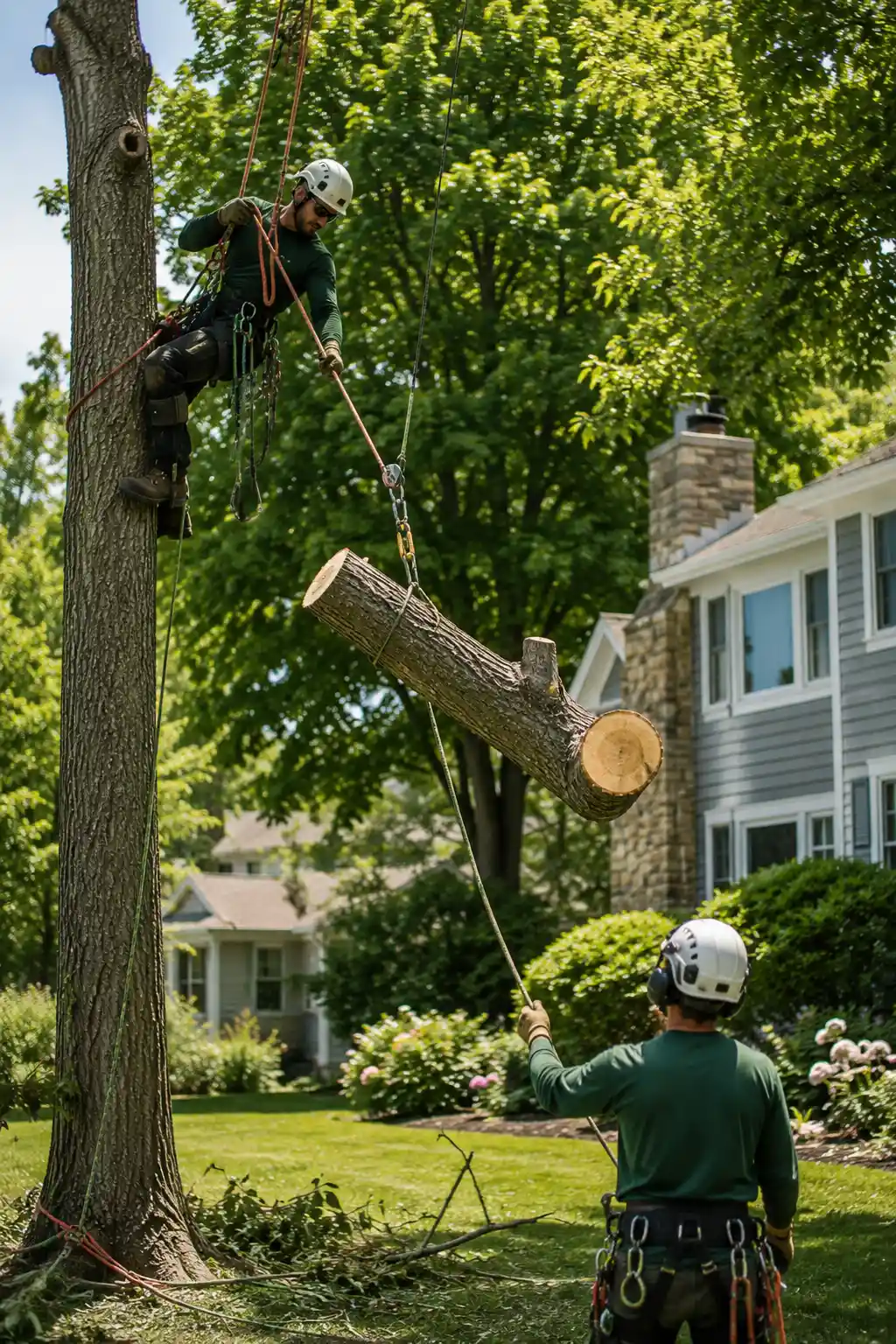
When removal is necessary, controlled work planning is important, especially for trees close to homes, fences, roads, and utility infrastructure.
Choosing a Tree Removal Service Buffalo NY Property Owners Can Trust
When a tree presents a potential hazard, selecting an appropriate contractor is an important part of protecting your property.
Before hiring a tree removal service Buffalo NY, consider whether the provider:
- Explains the tree’s condition and recommended work.
- Provides a clear description of the service.
- Considers nearby buildings, landscaping, and access.
- Uses appropriate equipment and safety procedures.
- Explains whether debris cleanup is included.
- Discusses alternatives when tree preservation may be possible.
Ask for clarification about the work included in the estimate. Stump grinding, complete stump removal, hauling, and additional landscaping may be separate services.
Clear communication helps property owners understand the scope of the work and plan for the area afterward.
Why Choose Nature Wise Tree Service?
Nature Wise Tree Service serves property owners in Buffalo, NY, with professional tree care solutions. Our approach focuses on understanding the tree, its surrounding environment, and the property owner’s needs before recommending appropriate action.
Whether you are concerned about winter storm damage, overgrown branches, declining tree health, or a potentially hazardous tree, professional guidance can help you make informed decisions.
Regular maintenance can help you monitor your landscape and recognize when a tree needs additional attention. When a more serious concern develops, a professional assessment can help clarify whether pruning, monitoring, or removal is the appropriate next step.
Build a Year Round Tree Care Plan for Your Buffalo Property
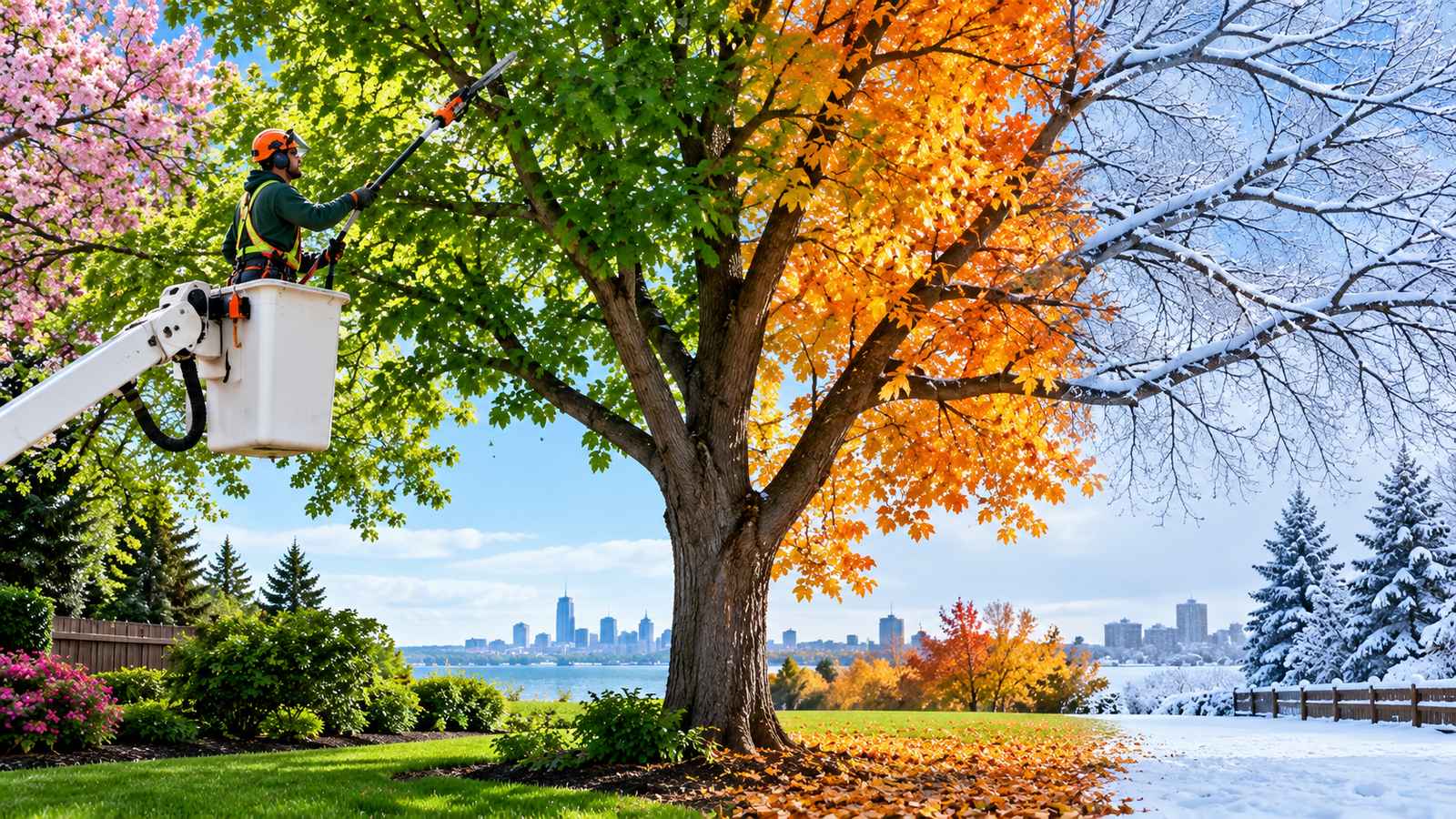
Healthy trees require attention throughout the year, but each season presents different priorities. Spring is useful for assessing winter damage, summer calls for monitoring moisture and foliage, autumn provides an opportunity to prepare for cold weather, and winter requires careful attention to snow, ice, and safety hazards.
A consistent approach to tree care Buffalo NY property owners can follow helps support healthier landscapes and makes it easier to identify problems before they become more serious.
Nature Wise Tree Service can help Buffalo property owners evaluate their trees and understand available care options. By combining seasonal observations with appropriate professional maintenance, you can support the health, safety, and appearance of your property’s trees throughout the year.
Frequently Asked Questions
How often should trees be inspected in Buffalo, NY?
Inspection frequency depends on the tree’s species, age, condition, and location. Checking trees during seasonal changes and after significant storms can help identify visible problems. Trees with known structural concerns may require more frequent professional assessment.
What is the best season for tree pruning in Buffalo?
The best time depends on the tree species and the purpose of pruning. Many trees can be pruned during dormancy, while flowering trees and trees with specific health concerns may require different timing. A tree care professional can recommend an appropriate schedule.
How can I protect trees from Buffalo’s winter weather?
Maintain healthy tree structure through appropriate care, monitor trees after snow and ice storms, and address significant damaged branches professionally. Avoid climbing or cutting hazardous limbs yourself, especially when conditions are slippery.
How do I know if my tree is unhealthy?
Warning signs include dead branches, unusual leaf discoloration, premature leaf loss, trunk cracks, fungal growth, and sudden leaning. These symptoms can have different causes, so professional evaluation may be necessary to determine the problem.
Does tree maintenance help prevent tree removal?
Proper maintenance can help identify problems early and support tree health, but it cannot prevent every issue. Some trees develop severe disease, root damage, or structural instability that may eventually require removal.
When should I contact a tree removal service in Buffalo, NY?
Contact a professional when a tree has significant decay, major cracks, severe storm damage, extensive root problems, or signs of instability. If a tree or branch threatens immediate safety, keep people away from the area and seek appropriate professional assistance.
Can tree care improve my property’s curb appeal?
Yes. Healthy trees, appropriate pruning, and well maintained planting areas can improve a property’s appearance. Removing dead branches and addressing declining trees can also help create a cleaner, more organized landscape.
Why choose a local tree care company in Buffalo?
A local provider is familiar with the region’s seasonal weather patterns and common property conditions. This understanding can help inform tree inspections, maintenance planning, storm damage assessments, and decisions about appropriate tree care.