On This Page +
- Why Tree Removal Should Never Be Delayed
- Sign 1. The Tree Is Leaning More Than Before
- Sign 2. Large Dead Branches Keep Falling
- Sign 3. The Trunk Shows Large Cracks or Cavities
- Sign 4. Roots Are Damaged or Decaying
- Why Professional Evaluation Matters
- Sign 5. The Tree Shows Signs of Disease
- Sign 6. Storm Damage Has Compromised the Tree
- Sign 7. The Tree Is Too Close to Structures or Power Lines
- Why Hiring a Professional Tree Removal Company Matters
- Can You Find Affordable Tree Removal Without Sacrificing Quality?
- Why Buffalo Property Owners Trust Nature Wise Tree Service
- Frequently Asked Questions
- How do I know if my tree should be removed?
- Can a diseased tree be saved?
- When is the best time for tree removal?
- Is tree removal dangerous?
- How much does tree removal cost in Buffalo?
- Conclusion
Trees are one of the most valuable features of any property. They provide shade, improve curb appeal, increase property value, and create a healthier outdoor environment. However, even the strongest trees can become dangerous because of disease, storm damage, age, or structural weakness. Ignoring the warning signs may lead to costly property damage, personal injury, or emergency repairs.
Knowing when to call a professional tree removal service Buffalo NY can save you time, money, and unnecessary stress. Buffalo experiences heavy snowfall, strong winds, freezing temperatures, and seasonal storms that place significant pressure on trees throughout the year. A tree that appears healthy today may quickly become unstable after severe weather.
Professional tree care specialists have the knowledge, equipment, and experience to evaluate tree health and recommend the safest solution. Whether your tree is diseased, leaning, or showing signs of decay, early action helps protect your family and your investment.
If you are searching for dependable tree service Buffalo NY, this guide explains the most common warning signs that indicate it is time to remove a hazardous tree before it causes serious problems.
Why Tree Removal Should Never Be Delayed
Many homeowners believe that removing a tree should only happen after it falls. Unfortunately, waiting until a tree becomes an emergency often leads to expensive repairs and greater safety risks.
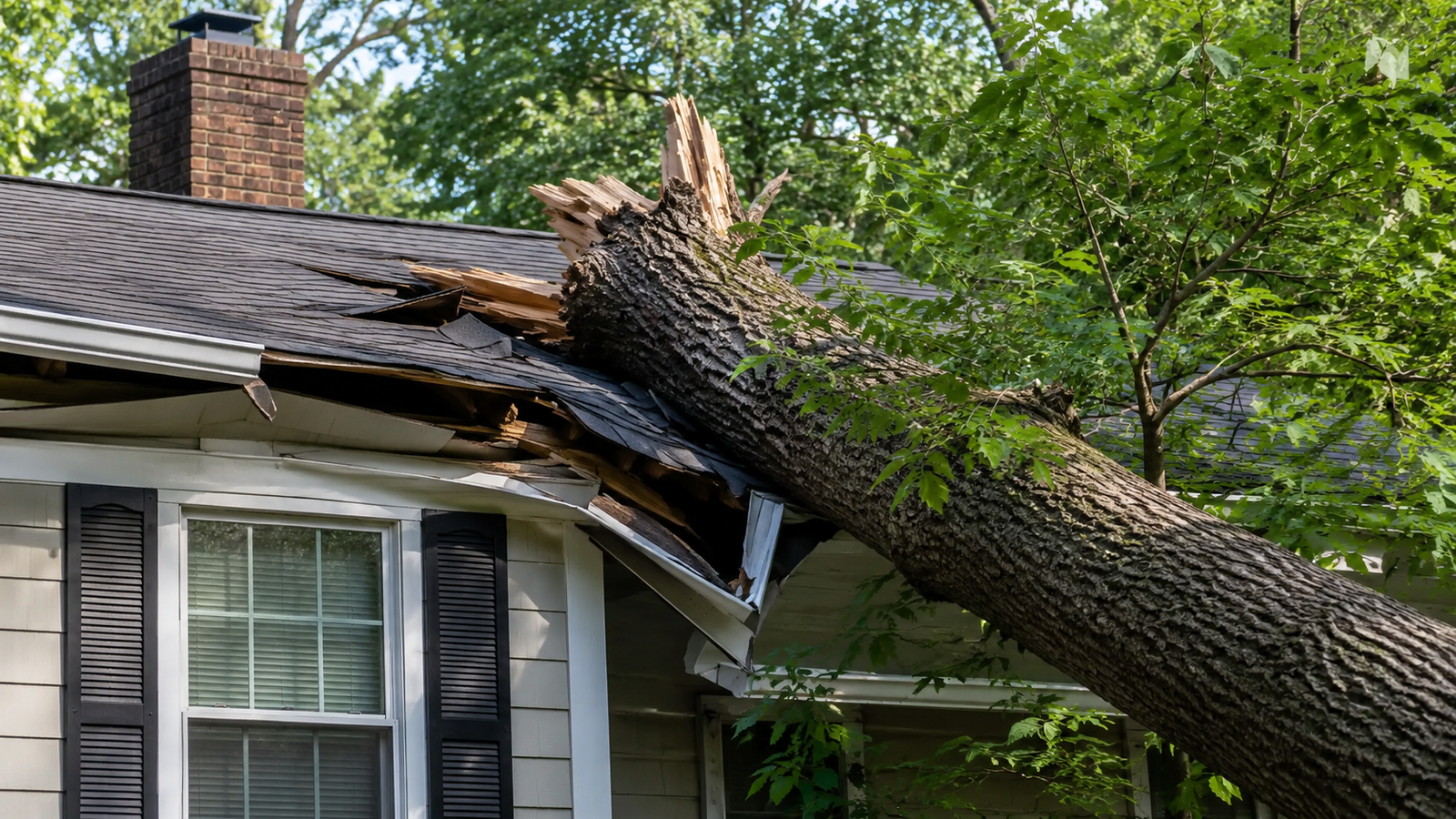
A weakened tree can damage homes, garages, vehicles, fences, sidewalks, utility lines, and neighboring properties. During Buffalo’s harsh winters and strong windstorms, compromised trees become even more dangerous.
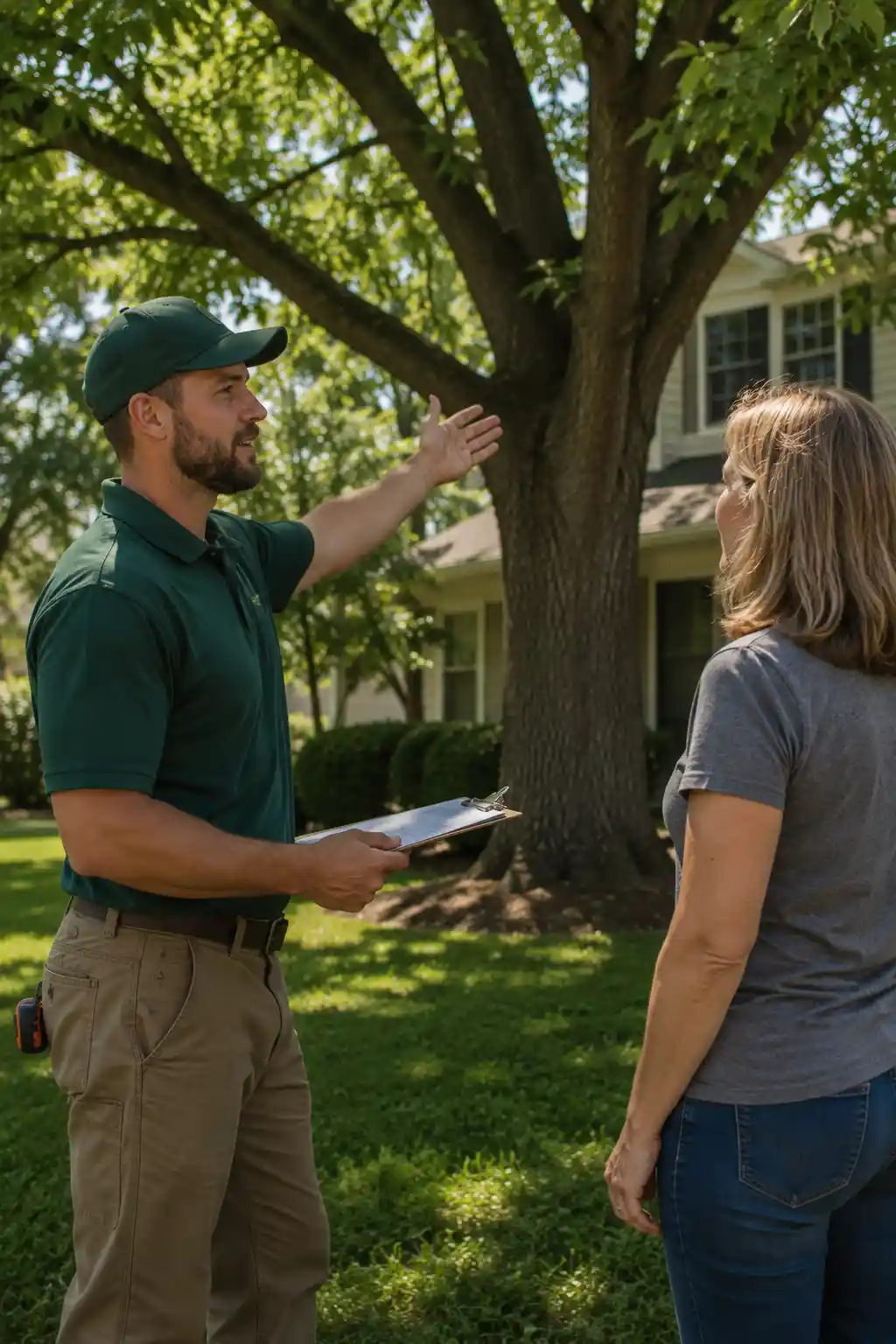
Professional inspections allow property owners to identify hazards before they become emergencies. An experienced local arborist Buffalo NY understands how local weather conditions affect different tree species and can recommend the safest course of action.
Preventive tree removal offers several important benefits.
- Protects your family and visitors
- Prevents expensive structural damage
- Reduces liability risks
- Improves landscape safety
- Supports healthier surrounding trees
- Enhances overall property appearance
Removing one unhealthy tree often protects the rest of your landscape from disease and insect infestations.
Sign 1. The Tree Is Leaning More Than Before
Not every leaning tree is dangerous. Some trees naturally grow at a slight angle throughout their lives. However, a tree that suddenly begins leaning or noticeably changes position should always be inspected immediately.
A leaning tree may indicate root failure, unstable soil, storm damage, or internal decay. Buffalo’s saturated soil during spring and heavy snow accumulation during winter can weaken root systems and reduce stability.
Warning signs include:
- Fresh cracks in the soil around the base
- Exposed roots
- Lifting ground near the trunk
- Lean increasing after storms
- Large branches pulling one side downward
If the tree is leaning toward your house, driveway, sidewalk, or power lines, immediate professional evaluation is essential.
An experienced tree removal Buffalo NY specialist can determine whether the tree can be saved through corrective measures or requires complete removal.
Sign 2. Large Dead Branches Keep Falling
Healthy trees naturally shed small twigs and leaves throughout the year. However, large dead branches falling from the canopy are often a sign that the tree is under significant stress.
Dead limbs become brittle and unpredictable. Strong Buffalo winds can cause these branches to fall without warning, creating serious hazards for people and property below.
Common causes include:
- Disease
- Pest infestations
- Internal decay
- Drought stress
- Storm damage
- Advanced age
Dead branches also reduce the tree’s ability to produce healthy foliage, making the entire structure weaker over time.
Professional pruning may solve minor issues, but extensive deadwood throughout the canopy often indicates the tree is nearing the end of its life cycle.
Routine inspections by a trusted tree service Buffalo NY company help identify these problems before they become emergencies.
Sign 3. The Trunk Shows Large Cracks or Cavities
The trunk is the foundation of every tree. Damage to this central structure often indicates significant internal weakness.
Deep vertical cracks, hollow sections, or large cavities reduce the tree’s ability to support its own weight. These structural failures become especially dangerous during heavy snow, ice accumulation, or high winds common throughout Buffalo.
Look for signs such as:
- Deep cracks extending into the trunk
- Hollow sounding wood
- Large open cavities
- Splitting bark
- Mushrooms growing from the trunk
- Rotting wood
While some minor cracks are harmless, extensive trunk damage usually requires immediate professional evaluation.
A qualified local arborist Buffalo NY uses specialized assessment techniques to determine whether the tree remains structurally sound or poses a significant risk.
Ignoring trunk damage often results in complete tree failure during severe weather.
Sign 4. Roots Are Damaged or Decaying
Many homeowners focus only on what they see above ground. In reality, tree roots determine the long term health and stability of the entire tree.
Construction projects, driveway installations, underground utility work, excessive soil compaction, and poor drainage frequently damage root systems.
Visible warning signs include:
- Mushrooms near the base
- Soft soil around roots
- Exposed root decay
- Fungal growth
- Tree instability
- Poor leaf growth
Root damage is particularly dangerous because it often develops below the surface where property owners cannot easily see the problem.
Professional inspections include evaluating both the visible tree structure and underground root health.
When root systems become severely compromised, complete removal is often the safest solution.
Working with an experienced tree removal service Buffalo NY provider ensures the problem is handled safely while protecting nearby landscaping.
Why Professional Evaluation Matters
Every tree is different. Two trees showing similar symptoms may require completely different treatments.
Certified professionals evaluate factors such as:
- Tree species
- Age
- Structural integrity
- Disease progression
- Root condition
- Soil stability
- Nearby buildings
- Utility line clearance
- Future growth potential
This comprehensive assessment helps homeowners avoid unnecessary removals while ensuring dangerous trees are addressed before they fail.
Attempting to diagnose tree health without professional knowledge often results in costly mistakes or overlooked hazards.
For Buffalo homeowners, routine inspections are especially valuable after winter storms, spring thaw, or severe summer weather.
Sign 5. The Tree Shows Signs of Disease
Tree diseases often begin with subtle symptoms that many homeowners overlook. Over time, these diseases weaken the tree’s structure, making it more susceptible to breaking or falling during Buffalo’s unpredictable weather.
A diseased tree not only becomes hazardous but may also spread infections to nearby healthy trees if left untreated.
Common signs of tree disease include:
- Yellowing or discolored leaves during the growing season
- Sparse foliage compared to previous years
- Premature leaf drop
- Fungal growth on the trunk or roots
- Peeling or missing bark
- Soft or decaying wood
- Dead branches throughout the canopy
Some diseases can be treated if detected early. However, when decay has progressed significantly, removal is often the safest option.
A knowledgeable local arborist Buffalo NY can identify the cause of the problem and determine whether treatment or complete removal is the best long term solution.
Professional inspections help prevent disease from spreading across your landscape while protecting nearby trees.
Sign 6. Storm Damage Has Compromised the Tree
Buffalo is no stranger to powerful windstorms, heavy snow, freezing rain, and ice accumulation. These weather events place tremendous stress on trees, even those that previously appeared healthy.
Storm damage is not always obvious immediately after severe weather. Internal cracks, weakened limbs, and root damage can remain hidden until the next storm causes complete failure.
After a major storm, inspect your trees for:
- Broken or hanging limbs
- Split trunks
- Leaning trees
- Exposed roots
- Fresh cracks
- Large branches resting against your home
- Trees tangled in utility lines
Even if only one large branch has fallen, the remaining structure may have suffered internal damage.
Professional inspections following storms can identify hidden hazards before they become emergencies.
Choosing an experienced tree service Buffalo NY company ensures damaged trees are safely evaluated using proper equipment and industry approved techniques.
Sign 7. The Tree Is Too Close to Structures or Power Lines
Trees naturally grow larger every year. What once seemed like a safe planting location can become a serious safety concern as the tree matures.
Large branches extending over homes, garages, sheds, driveways, or sidewalks create ongoing risks during storms and heavy snowfall.
Trees growing near power lines should never be handled without professional assistance.
Potential problems include:
- Roof damage from falling limbs
- Blocked driveways
- Damaged gutters
- Broken fences
- Utility interruptions
- Increased fire hazards
- Limited access for emergency vehicles
If the tree has outgrown its location, removal may be the safest long term investment.
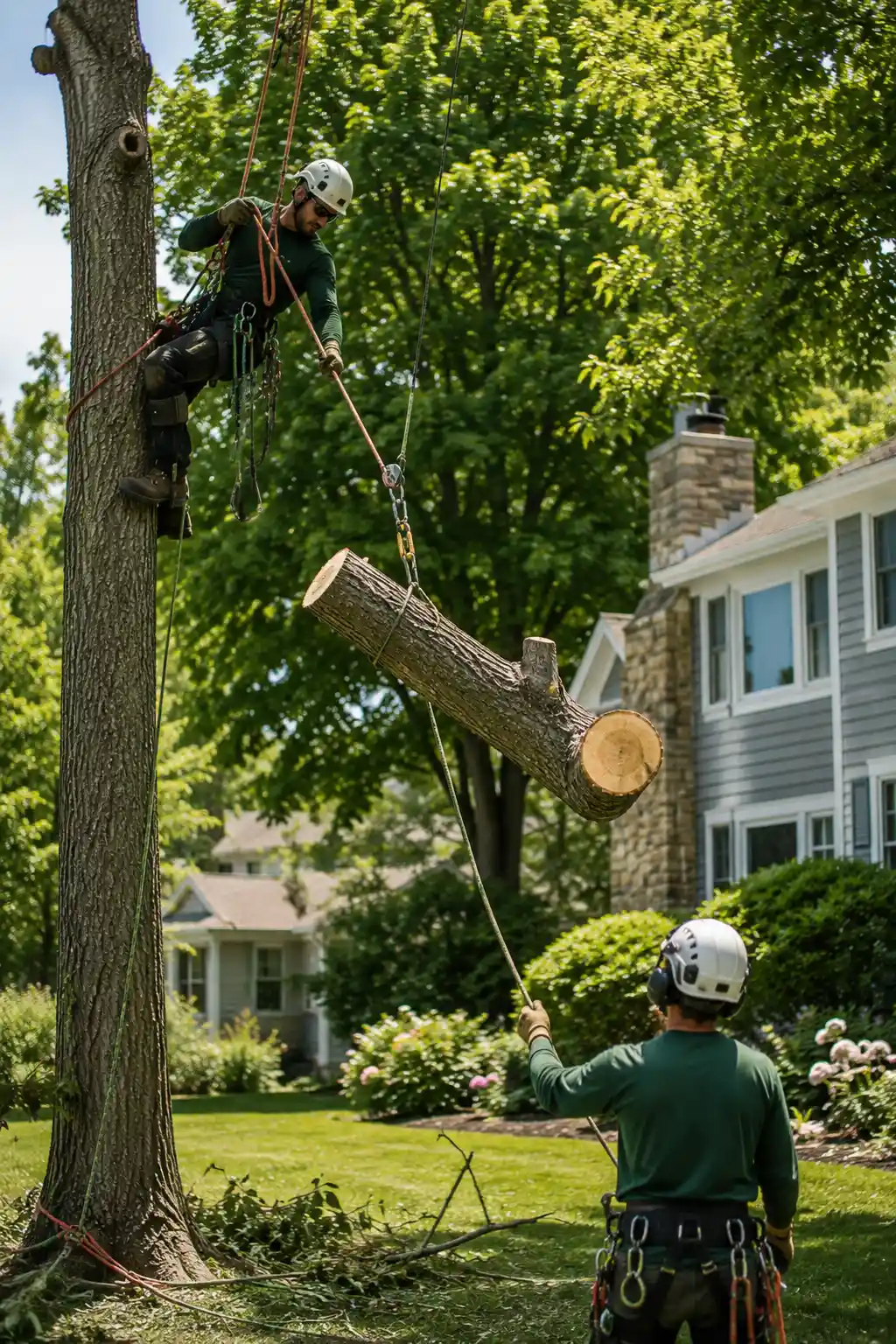
Professional crews understand how to safely remove trees in confined spaces while protecting nearby structures and landscaping.
When searching for tree removal Buffalo NY, choose a company with the equipment and experience to handle difficult removals safely.
Why Hiring a Professional Tree Removal Company Matters
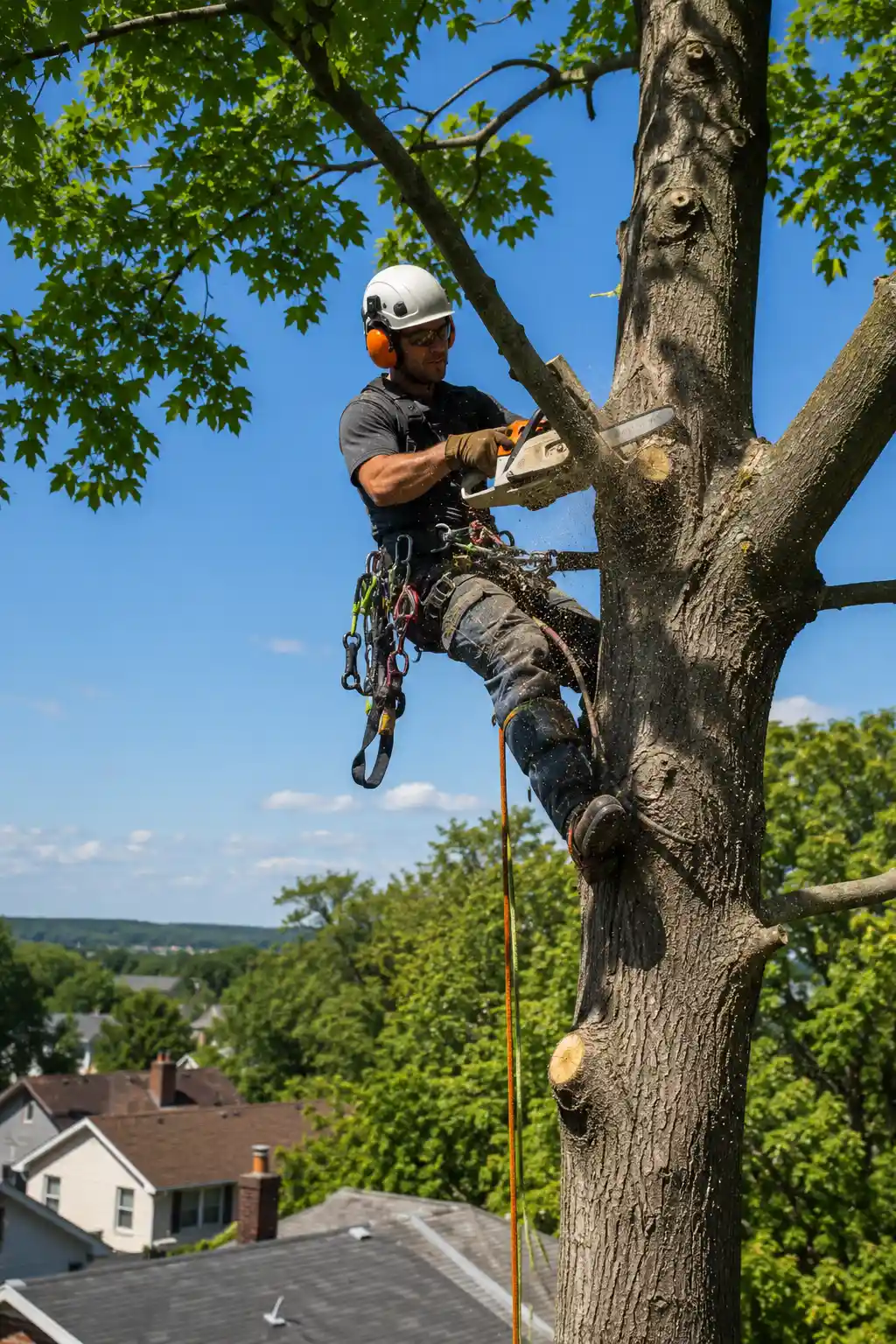
Tree removal is one of the most dangerous outdoor services. Large trees require specialized equipment, technical knowledge, and careful planning.
Attempting to remove a hazardous tree without proper training can result in serious injuries or costly property damage.
Professional tree removal offers several advantages.
Improved Safety
Experienced crews follow established safety procedures and use professional equipment to minimize risks throughout the removal process.
Accurate Tree Assessment
Professionals evaluate the entire tree, including the trunk, canopy, and root system, before recommending removal.
Protection for Your Property
Careful planning helps prevent damage to homes, vehicles, landscaping, fences, and neighboring properties.
Complete Cleanup
Professional services include debris removal, branch cleanup, and leaving your property clean and safe.
Insurance and Peace of Mind
Working with an insured company provides additional protection and confidence throughout the project.
Can You Find Affordable Tree Removal Without Sacrificing Quality?
Many homeowners delay tree removal because they worry about the cost. Unfortunately, waiting often leads to emergency situations that are much more expensive.
Routine inspections and planned removals are usually more affordable than emergency services after a storm.
If you are looking for affordable tree removal Buffalo NY, consider these tips.
- Schedule inspections before severe weather arrives.
- Remove hazardous trees before they become emergencies.
- Ask for a detailed written estimate.
- Work with an experienced local company.
- Consider removing multiple trees during one visit when appropriate.
Choosing quality workmanship today can help prevent thousands of dollars in future repair costs.
Why Buffalo Property Owners Trust Nature Wise Tree Service
When it comes to protecting your home and landscape, experience and local knowledge matter.
Nature Wise Tree Service proudly serves homeowners and businesses throughout Buffalo, NY with dependable tree care solutions tailored to the unique conditions of Western New York.
Whether you need a professional inspection, hazardous tree removal, or expert guidance from a certified team, every project is completed with safety, efficiency, and customer satisfaction in mind.
Services include:
- Tree removal
- Emergency tree services
- Tree trimming
- Tree pruning
- Hazardous tree assessments
- Storm damage cleanup
- Residential tree care
- Commercial tree services
Located at 939 Delaware Ave, Buffalo, NY 14209, Nature Wise Tree Service understands the challenges that Buffalo’s changing seasons create for local trees and landscapes.
Frequently Asked Questions
How do I know if my tree should be removed?
If your tree is leaning, has large dead branches, trunk decay, root damage, disease, or significant storm damage, it should be inspected by a professional tree expert.
Can a diseased tree be saved?
Some tree diseases can be treated if detected early. Severe decay or structural weakness often requires removal to protect surrounding property.
When is the best time for tree removal?
Tree removal can be performed throughout the year. However, winter and early spring are often ideal because trees have less foliage and access may be easier.
Is tree removal dangerous?
Yes. Tree removal involves significant risks, especially for large or damaged trees. Professional equipment and experienced crews are essential for safe removal.
How much does tree removal cost in Buffalo?
Costs depend on the tree’s size, location, condition, accessibility, and complexity of the project. A professional inspection provides the most accurate estimate.
Conclusion
Trees add beauty, shade, and value to your property, but they also require regular attention to remain safe and healthy. Recognizing the warning signs of structural damage, disease, root problems, storm damage, or dangerous growth can help you avoid costly repairs and unexpected emergencies.
If you notice any of the signs discussed in this guide, do not wait for the situation to worsen. A professional evaluation can determine the safest and most cost effective solution for your property.
For reliable tree removal service Buffalo NY, trust the experienced team at Nature Wise Tree Service. Whether you need a complete tree removal, expert advice from a local arborist Buffalo NY, dependable tree service Buffalo NY, professional tree removal Buffalo NY, or affordable tree removal Buffalo NY, the team is ready to help protect your home, family, and landscape with safe and dependable tree care solutions.